The Simple Act That Powers Our World: Understanding Modern Waste Disposal
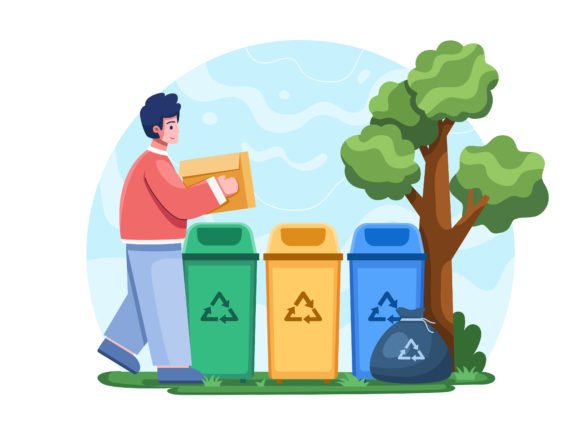
The image of a person carrying a cardboard box filled with garbage to dispose of in various colorful bins is a powerful snapshot of modern life. It transforms the mundane act of "people throw garbage in the trash" into a deliberate, impactful process. This evolution from a single destination to a multi-stream system represents a fundamental shift in how we interact with our environment, our communities, and our future. Understanding this process from the ground up is not just about cleanliness; it's about resource management, environmental stewardship, and building a sustainable society.
Beyond the Bin: The Purpose and Significance of Organized Waste Disposal
Historically, waste disposal was about removal and concealment—getting unwanted materials out of sight. Today, its purpose is multifaceted and deeply significant. The primary goals are:
- Public Health and Safety: Proper disposal prevents the spread of disease, reduces pest infestations, and minimizes fire hazards.
- Environmental Protection: Diverting waste from landfills reduces soil contamination, greenhouse gas emissions from decomposing trash, and protects natural habitats.
- Resource Conservation: Recycling and recovery turn what we consider "garbage" back into raw materials, conserving finite natural resources like timber, minerals, and water.
- Economic Efficiency: A streamlined waste system can create jobs in recycling and manufacturing, reduce municipal costs, and generate value from recovered materials.
The colorful bins are not just for aesthetics; they are a clear, visual system designed to achieve these purposes. Each color—blue for paper, green for glass, yellow for plastic—serves as a constant, gentle reminder of our individual role in a larger collective effort.
The Practical Relevance in Daily Life and Work
This system fits seamlessly into the rhythm of modern life. In our daily activities, it starts at the kitchen counter with a decision: is this eggshell compost or landfill? At work, businesses implement recycling programs to reduce operational costs and meet corporate sustainability goals. In education, colorful bins in schools teach children systemic thinking and responsibility from an early age.
Consider a typical example: an office moving day. An employee carries a cardboard box filled with old files and broken equipment to the disposal area. Instead of one dumpster, they encounter:
- A blue bin for the confidential paper files (after shredding).
- A yellow bin for the plastic binder covers.
- A special electronics bin for the broken keyboard and monitor.
- A general waste bin for non-recyclable mixed materials.
This simple act, repeated millions of times daily, feeds global supply chains. That cardboard box might become new packaging, the paper new notebooks, and the plastics new furniture. The individual action is small, but its practical relevance is monumental.
Clarifying Common Misunderstandings About Recycling and Disposal
Despite widespread adoption, several assumptions hinder the system's effectiveness. Clarifying these is key to building a broader understanding.
"It All Gets Mixed Together Anyway"
This is a prevalent myth. While contamination (wrong items in a bin) is a problem, modern material recovery facilities (MRFs) use advanced technology like optical scanners and air jets to sort materials. However, your accuracy at the bin dramatically increases efficiency and reduces costs. The person carefully separating items at the colorful bins is the first and most crucial step in the sorting process.
"Recycling Uses More Energy Than It Saves"
This is context-dependent but often overstated. Recycling aluminum saves over 90% of the energy needed to make new aluminum from ore. Recycling paper saves water and energy. The lifecycle analysis of most materials shows a net positive for recycling, especially when systems are optimized. The energy cost of hauling and processing is far less than the energy cost of extraction, refining, and manufacturing from virgin resources.
"Biodegradable Means I Can Throw It Anywhere"
Biodegradable and compostable are specific terms. A banana peel is biodegradable but should go in a compost bin to break down properly, not a landfill where it might release methane without oxygen. "Biodegradable" plastics often require industrial composting facilities. Understanding these distinctions ensures materials end up in the correct stream.
Building a Systemic Understanding: The Journey of Your Cardboard Box
To truly appreciate the subject, follow the journey of a single item from that cardboard box: an empty soda can.
- Step 1: Consumer Decision. You finish your drink and place the can in the correct green or blue bin (depending on your local system) for metals.
- Step 2: Collection and Sorting. It is collected, taken to a MRF, separated from other materials via magnet or eddy current, and baled with other aluminum.
- Step 3: Processing. The bale is shipped to a processor, melted down, and reformed into sheets or ingots of raw aluminum.
- Step 4: Remanufacturing. That raw aluminum becomes a new can, a bicycle frame, or a window component.
- Step 5: Return to Market. The new product is sold, completing the loop.
This cycle illustrates how modern waste disposal is not an end, but a midpoint in a material's lifecycle. The person at the bins is not just a "disposer"; they are a resource manager and the first link in a regenerative chain.
Technology, Creativity, and the Future of Waste Management
The field is rapidly evolving with technology and creative design. Smart bins with sensors notify collectors when full, optimizing truck routes. Apps help users identify where to dispose of tricky items like batteries or paint. In creativity and design, artists use recycled materials, and product designers create for disassembly, ensuring items fit cleanly into the colorful bin system at their end of life.
The future points towards a "circular economy" where the concept of waste is minimized. Products are designed to be repaired, reused, and eventually recycled efficiently. The act of carrying that box to the bins will become even more intentional, supported by technology that provides instant feedback on your disposal choices and their impact.
From a simple health measure to a complex pillar of sustainability, the journey of our garbage reflects our societal values. Every time we make a choice at those colorful bins, we participate in a system that protects our planet, conserves our resources, and builds a more thoughtful world. It is a daily act of citizenship, a small but powerful contribution to a collective future. To learn more about your local recycling guidelines and the latest advancements, visit reputable resources like your local municipal waste authority website or international environmental organizations.