Choosing the Right Vector Graphics: The Role of Abstract Template Designs with Copy Space
When sourcing visual assets for a project, the choice of format and design style carries significant practical implications. Among the myriad options available, abstract vector template design for copy represents a specific category of graphic resource that balances creative flexibility with functional structure. Understanding its distinct characteristics, and how it compares to other common visual solutions, can streamline your decision-making process and ensure the final artwork effectively serves your communication goals.
Defining Abstract Vector Templates with Copy Space
An abstract vector template design for copy is, fundamentally, a graphic constructed using vector paths and shapes rather than pixel-based imagery. This "pure vector format" means the artwork is defined by mathematical equations describing points, lines, curves, and colors. The practical consequence is that the graphic can be resized infinitely without any loss of quality or resolution, a key advantage over raster formats like standard JPEGs.
The "abstract" component refers to the artistic style. These designs typically employ non-representational forms—geometric shapes, organic flows, patterned elements, and symbolic motifs—rather than depicting realistic objects or scenes. This abstraction provides a versatile visual mood that can support a wide range of themes, from corporate modernity to dynamic creativity.
The defining feature, however, is the intentional inclusion of "copy space". This is a deliberately arranged area within the composition, often a blank or lightly textured section, reserved for the placement of your own text, logo, or additional graphic elements. The abstract design acts as a visual frame or context for your message. When you acquire a file described as EPS10 adjustable and JPEG original without watermark, you are receiving both the versatile vector source and a high-resolution raster preview, enabling different workflows.
Comparing Graphic Asset Formats and Styles
To appreciate where abstract vector template design for copy fits, it's useful to consider the landscape of available graphic resources. Your alternatives generally fall along two axes: the format (vector vs. raster) and the design's completeness (full illustration vs. template vs. elemental component).
Vector Formats Versus Raster Images
The core technical comparison lies between vector graphics (like the described EPS10 file) and raster images (like the provided 300 DPI JPEG). Raster images, including JPEGs, PNGs, and TIFFs, are composed of a fixed grid of pixels. They are excellent for complex, photographic detail but have a fixed resolution. Enlarging them beyond their native dimensions results in blurring and pixelation.
Vector graphics, conversely, are inherently scalable. This makes abstract vector template design for copy particularly suitable for projects requiring output at multiple sizes—from a social media post to a large conference banner. The tradeoff is that vectors are less suited for representing photorealistic textures or intricate photographic detail. Their strength is in clean shapes, typography, and structured layouts, which aligns perfectly with the abstract template approach.
Complete Illustrations Versus Modular Templates
Another point of comparison is between purchasing a finished, stand-alone illustration and a template-based asset. A complete illustration is a ready-to-use artwork where every element is fixed and integrated. A template, like the abstract vector template design for copy, is a foundational layout designed for customization. The primary strength of the template is its adaptability; you can adjust the size, shape, and colour of the vector elements to match your brand palette or project tone. The potential limitation is that it requires a bit more effort and access to vector editing software (like Adobe Illustrator or open-source alternatives) to realize that customization, whereas a finished JPEG might be placed immediately.
Evaluating Use Cases and Practical Applications
The decision to use an abstract vector template design for copy often hinges on the specific project requirements. Its blend of scalability, stylistic flexibility, and built-in space for content makes it a strong candidate for several common scenarios.
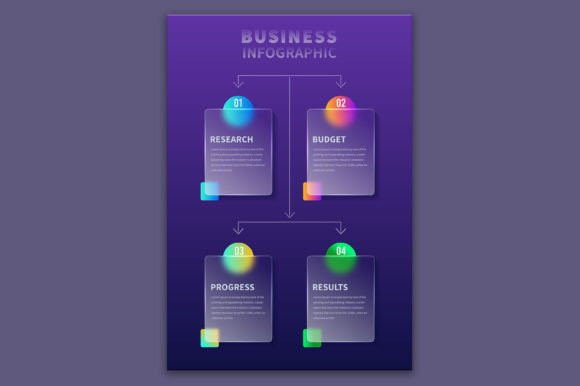
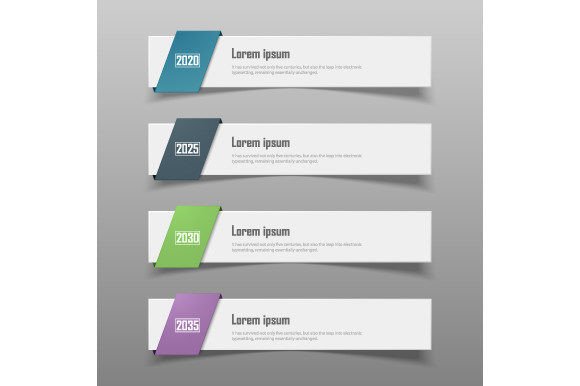
For infographic artwork, the clean vector shapes provide an excellent foundation for data visualization. Charts, icons, and explanatory text can be cleanly integrated into the designated copy space and alongside the abstract decorative elements. The ability to adjust colours ensures the infographic can adhere to data visualization best practices or brand guidelines.
In element design and template decoration, these graphics serve as sophisticated background layers or accent features. A designer might use multiple instances of different abstract vector templates across a suite of marketing materials—presentation slides, report covers, web banners—to create visual cohesion. Because each element is adjustable, they can be fine-tuned to complement other assets in the layout.
The provided formats directly support these workflows. The EPS10 vector file allows for deep editing: ungrouping elements, changing stroke weights, or even extracting a single shape for use elsewhere. The high-quality JPEG serves as a reliable, ready-to-place background for quicker projects or in software that doesn't support vector editing.
Identifying the Best-Fit Situations and Potential Limitations
An abstract vector template design for copy is likely the right choice when your project demands a balance between professional visual appeal and a need for tailored content integration. It excels in situations where you have a specific message or branding that must be the focal point, supported by non-distracting, modern artistry.
Consider a company creating a campaign for a new service. The campaign needs a consistent visual theme across a website hero image, a printed brochure, and digital ads. An adaptable abstract vector template can be resized for each format without quality concerns, its colours changed to match campaign accents, and its copy space reliably used for the varying headline text across each medium. This offers efficiency and cohesion.
However, there are situations where another option might be more suitable. If your project requires a hyper-realistic, emotionally nuanced photographic background—for instance, in a travel advertisement—a raster stock photo would be a better primary choice. Similarly, if you need a highly specific, detailed icon set depicting concrete objects (like kitchen utensils for a recipe app), purchasing a dedicated vector icon pack might be more efficient than adapting an abstract template.
A key practical factor is your access to, and comfort with, vector editing tools. The full potential of the adjustable EPS10 file is unlocked within vector software. If your workflow is entirely within tools that only handle raster images (like basic photo editors), you would primarily rely on the JPEG file, forfeiting the scalability and customization advantages for larger-scale applications.
Making an Informed Decision: Key Considerations
When evaluating whether to utilize an abstract vector template design for copy, a few concrete decision factors can clarify your path.
- Output Scale Variance: Will this graphic be used in outputs of dramatically different sizes? If yes, the scalable vector nature is a significant benefit.
- Brand Colour Matching: Does the graphic need to align precisely with an existing colour palette? The adjustable colour feature of the vector format is crucial.
- Content Primacy: Is the textual information or primary message the most important component? The pre-structured copy space is designed specifically for this hierarchy.
- Workflow Tools: Do you or your team have the capability to edit EPS vector files? This determines whether you leverage the full asset or just the raster preview.
- Visual Tone: Does an abstract, contemporary, and slightly conceptual aesthetic support your project's mood better than a literal or photographic style?
By weighing these factors against your project brief, you can determine if this type of resource aligns with your needs. The abstract vector template design for copy is not a universal solution, but it is a powerfully versatile one for professional contexts where customizability, scalability, and clean design are prioritized. Its value lies in being a starting point—a high-quality, malleable foundation upon which you can build your unique visual communication, rather than a final, fixed piece that may or may not perfectly fit.